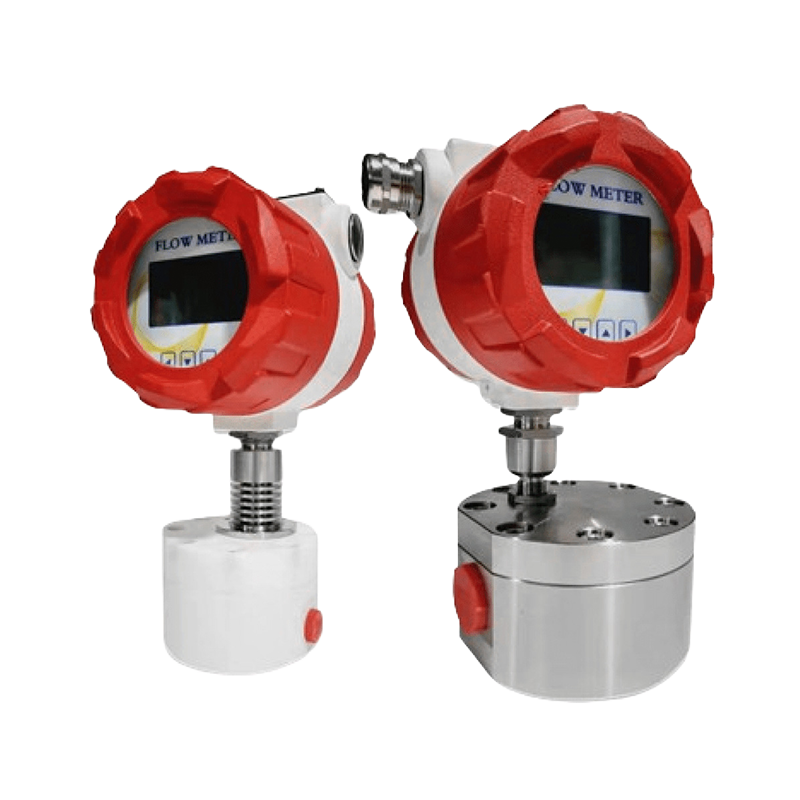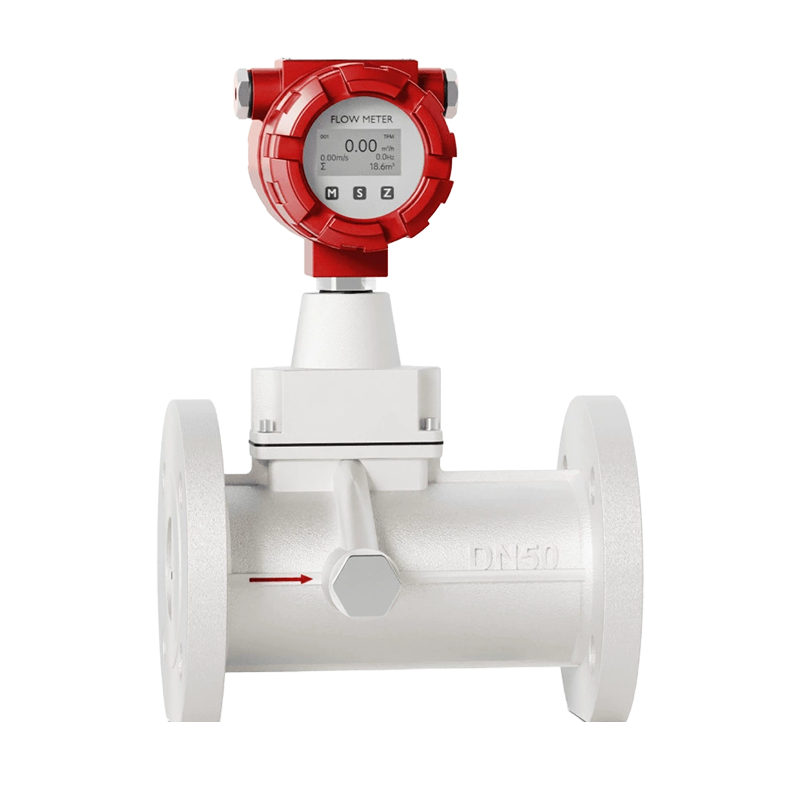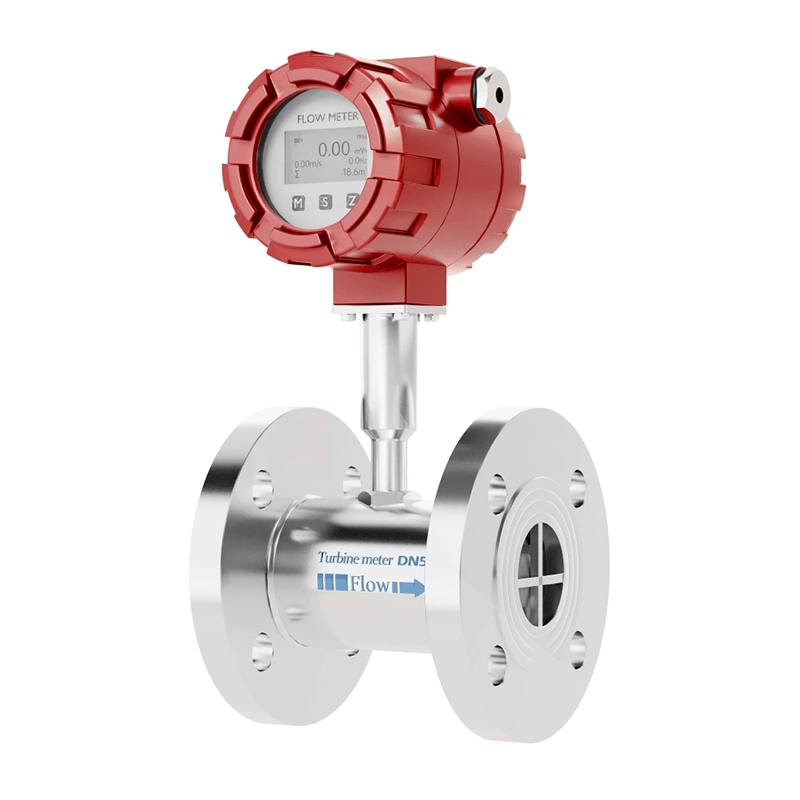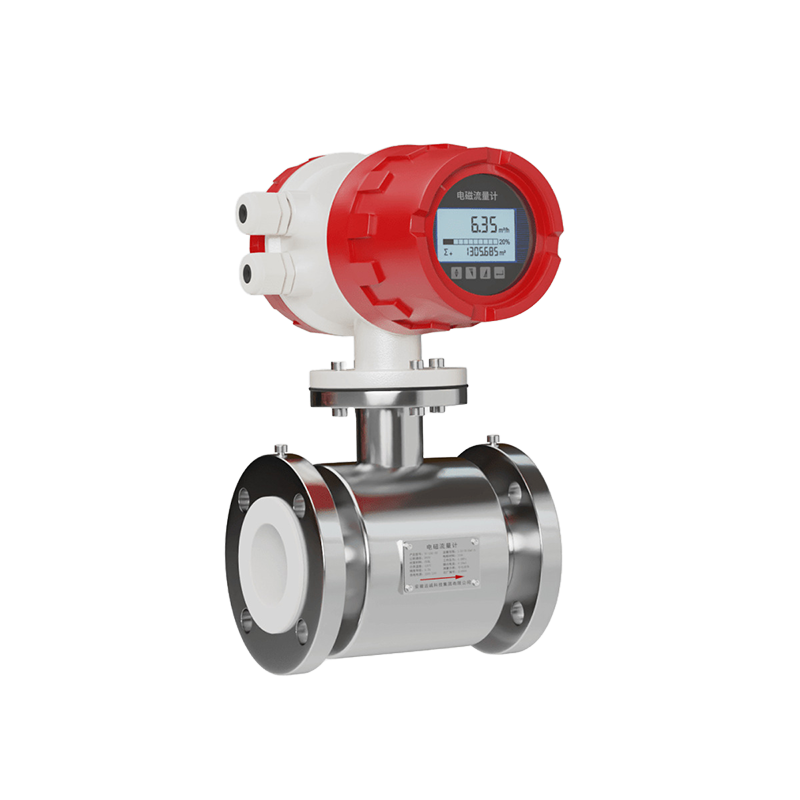
The operating conditions of various key systems on marine vessels differ significantly, and the monitoring requirements for parameters such as flow rate, liquid level, and pressure vary. Therefore, it is necessary to select appropriate monitoring equipment based on system characteristics to ensure data accuracy and stable operation. Specific application scenarios and equipment selection are as follows:
Ballast tanks are the core devices for regulating a ship's draft, stability, and buoyancy. Their core requirement is to accurately control the inflow rate and the liquid level inside the tank to avoid risks such as ship tilting and structural damage caused by abnormal liquid levels. Recommended equipment: electromagnetic flowmeter (for accurate measurement of ballast water inflow, compatible with conductive media such as seawater, and highly corrosion-resistant), level transmitter (for real-time acquisition of tank level data, supporting continuous monitoring), and pressure transmitter (for synchronous monitoring of bilge pressure, assisting in determining the accuracy of the level and avoiding measurement deviations caused by sedimentation). Through the coordinated operation of these three types of equipment, closed-loop precise control of the ballast water system can be achieved.
1.2 Fuel Monitoring System
Fuel is the core power source for ships, and fuel monitoring systems need to achieve "real-time consumption visibility, historical data accessibility, and operational status controllability" to provide data support for cost control and navigation optimization. Its core requirements include fuel level monitoring, real-time fuel consumption statistics, total fuel consumption calculation, and operational rationality analysis. Recommended equipment: mass flow meter (directly measures fuel mass flow rate, unaffected by temperature and density changes, accurately reflecting actual fuel consumption), level transmitter (monitors fuel tank/reservoir level to avoid fuel shortage or overflow risks), and pressure transmitter (monitors pressure during fuel storage and transportation to ensure stable fuel supply). Combined with a ship positioning system, it is possible to simultaneously perform correlation analysis between navigation trajectory, mileage, and fuel consumption.